Carry less.Do more.
We find and fix what’s holding your business back.
We analyse how your business works, identify what is getting in the way, then design the right fix. That might be automation, AI, better use of your existing systems, or a simpler process change.
Australian team from start to finish. No outsourcing.
What we usually hear
Six sentences we hear over and over. Each one points at something specific.
“We’re flat out but we can’t get more work through”
One step sets the pace for everything. Adding people doesn’t move it.
“We’re entering the same information three times”
Hours every week, and no number anyone fully trusts at the end of it.
“Everything comes back through me”
Approvals and knowledge in one head. Hiring underneath won’t lift it.
“Our systems don’t talk to each other”
So people become the integration. Copying, chasing, reconciling.
“Reporting takes forever”
Half a day of assembly, to describe a week that has already gone.
“We should be doing something with AI, we just don’t know where”
Start from what is constraining you, not from the technology.
What that looks like in practice
Four pieces of work, and what changed.
Time spent assembling client reports
Was: built by hand every month, every client slightly different, so nothing could be templated.
Now: generated from the source data, with each client’s variations handled as rules.
Time spent on repeat data entry, per person
Was: the same details typed into more than one system, with the errors surfacing late.
Now: captured once, and checked at the point of entry so the common mistakes can’t get through.
Time to produce a personalised quote
Was: every service provider contacted one at a time, then waiting on all of them.
Now: the requirement goes in once and the options come back side by side.
Where the operating data lives
Was: numbers spread across platforms that didn’t talk, so nobody owned them and nobody could analyse them.
Now: one database the business owns outright. Questions that used to be unanswerable get answered.
Client names withheld. Figures are the businesses’ own measurements, taken before and after.
Most firms do one half of this
The question we start with is not where you could put AI. It is what is getting in the way, why it is happening, and what the best way to fix it is. The technology gets chosen after that, once we know what the problem actually needs.
Good at the analysis
They will tell you what is wrong and hand you a recommendation, then rely on someone else to build it. The gap between the report and a working change is where most of these projects die.
Good at the build
They start from a technology, or from a use case you have already chosen, which quietly assumes the diagnosis is right. If it isn't, you get a well-built solution to the wrong problem.
We do both halves
Nineteen years of operations improvement and fifteen years of software and cybersecurity in the one team. We find what is constraining the business and we build the fix ourselves, so nothing is lost in the handover.
What we build depends entirely on what the problem needs. Process redesign, systems integration, workflow automation, robotics, AI, custom software and internal tools, or some combination of them. All of it is built by our own team here in Australia, none of it outsourced.
We don’t just build AI tools. We know how to secure them.
Cybersecurity sits inside our engineering team, so security is part of the design from the start. If you would rather nothing left the building, we can build inside your own systems.
We don't automate broken processes
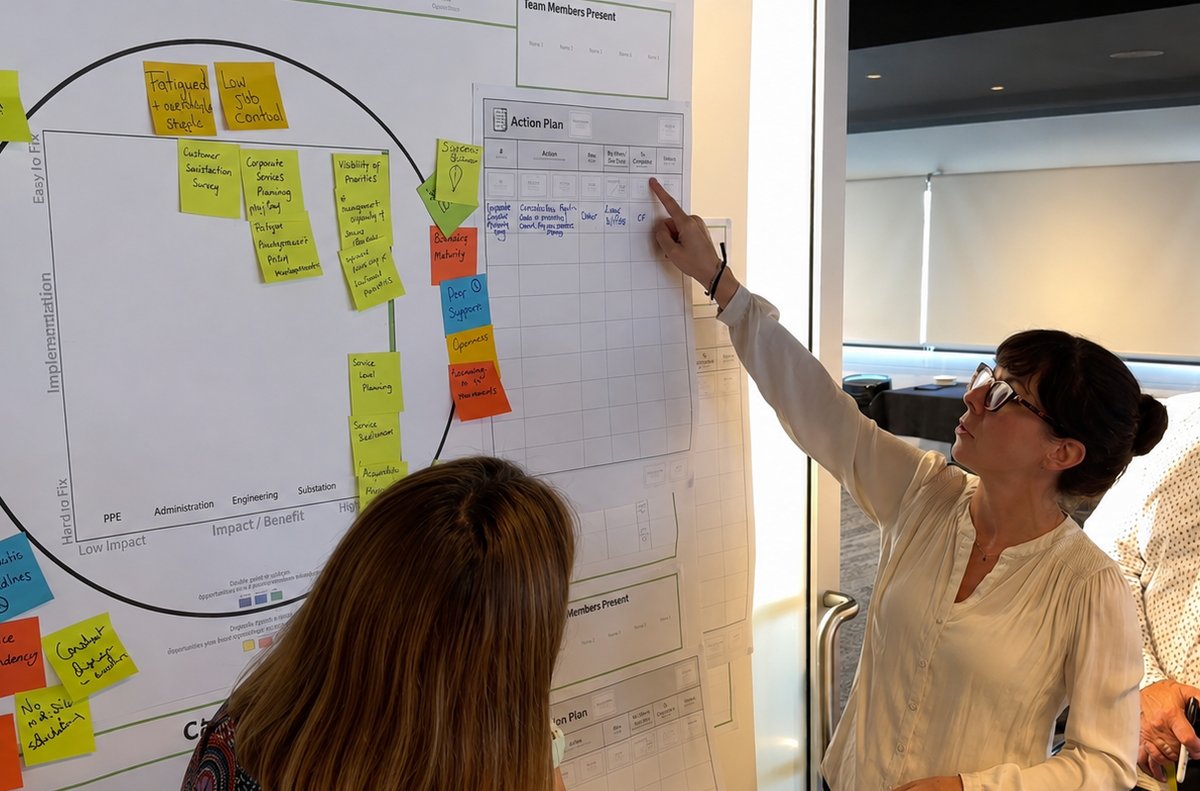
Automate a bad process and you have just made it fail faster and cost more. It is the single most common reason these projects quietly stop getting used.
So we start on the floor, with how the work actually moves rather than how the manual says it does. Once that is right, the automation has something solid to sit on.
How an engagement works
Four stages. Most businesses do not need all of them, and each one is worth something on its own, so you can stop after any of them.
Operations Scorecard
Eighteen questions on your own. You get a score across six operating themes, the areas where capacity is most likely being lost, the symptoms that usually come with them, and one practical thing to do first.
Take the scorecard →Discovery call
A short conversation to understand your business, what’s getting in the way, and where the biggest opportunities might be. If there’s a simple fix you can handle internally, we’ll tell you.
Book a call →Operations Map
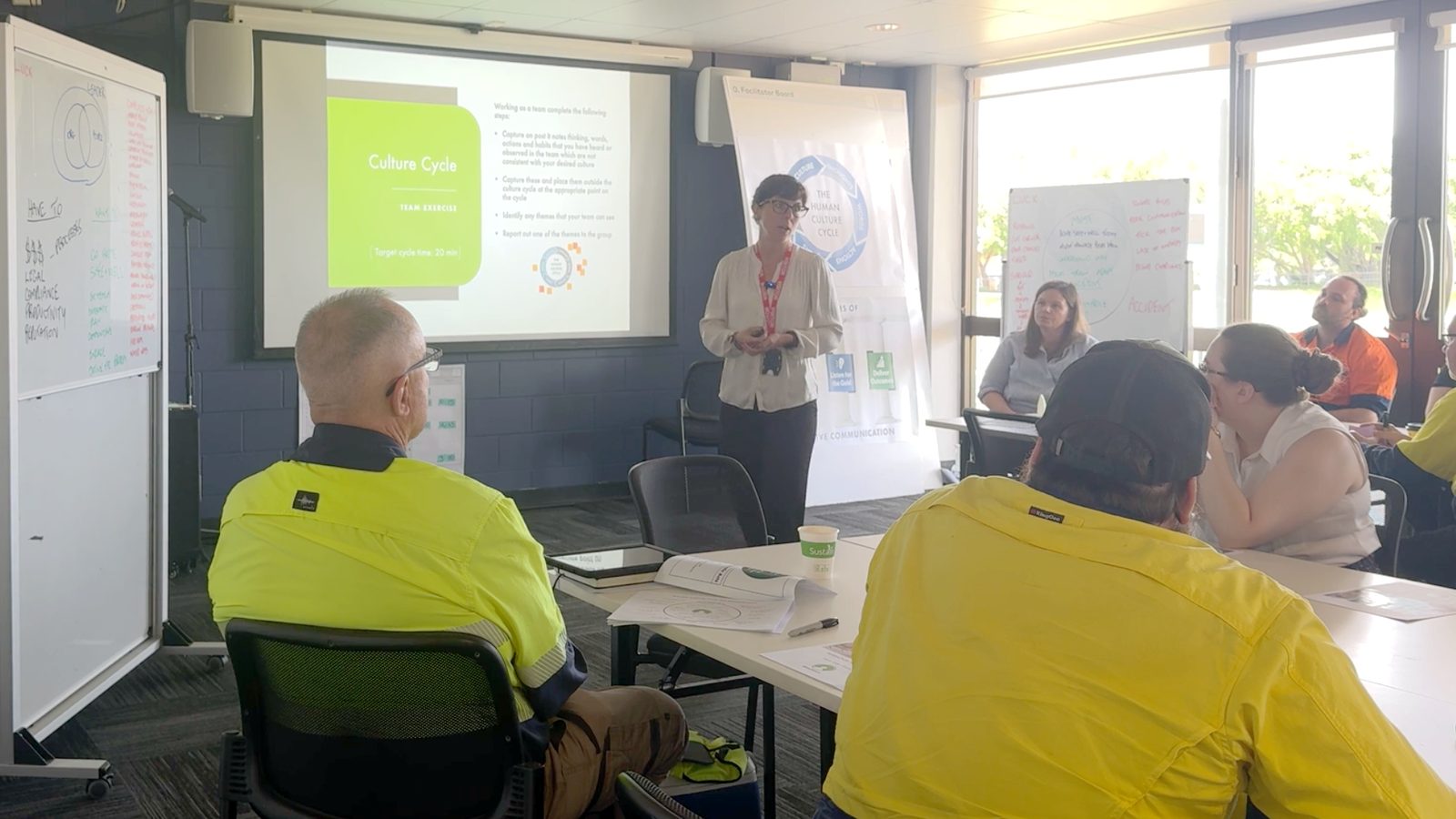
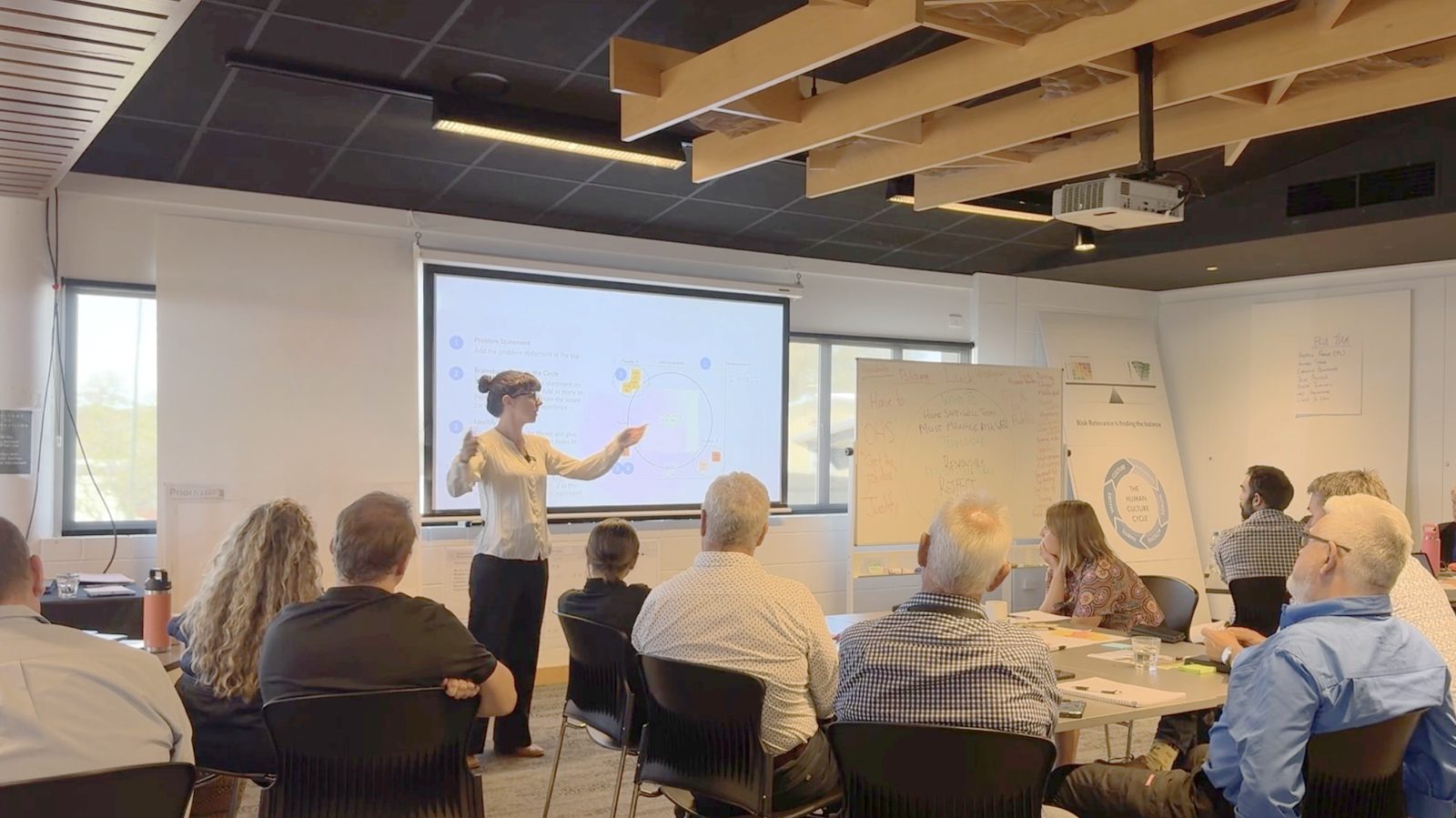
Time on site with the people doing the work. We map how a job moves end to end, measure where it waits and where it gets redone, review the systems and the data behind it, work out what each constraint is costing, and leave you with a prioritised improvement roadmap. It is yours whether or not we build any of it.
Talk about a session →Implementation
We simplify the process first, then build what the problem calls for, whether that is integration between systems, workflow automation, robotics, AI, custom software or internal tools. We wire it into what you already run, train your team, and measure whether it worked.
Talk about a build →Start with six minutes
The Scorecard scores six parts of your operation, shows you where capacity is most likely being lost and what usually comes with that, and gives you one practical thing to do first. No call, no obligation, and the report is yours either way.
Take the ScorecardThree engineers, one team
Between us we cover how a business actually runs, how the software gets built, and how to keep it secure. That combination is the point: the diagnosis and the build are done by the same team, so nothing is lost in the handover between working out what is wrong and fixing it. Technically there is very little we can't build. The question is always whether it pays for itself, and if it doesn't we'll say so.

Kolin Cunningham
Founder · Engineer
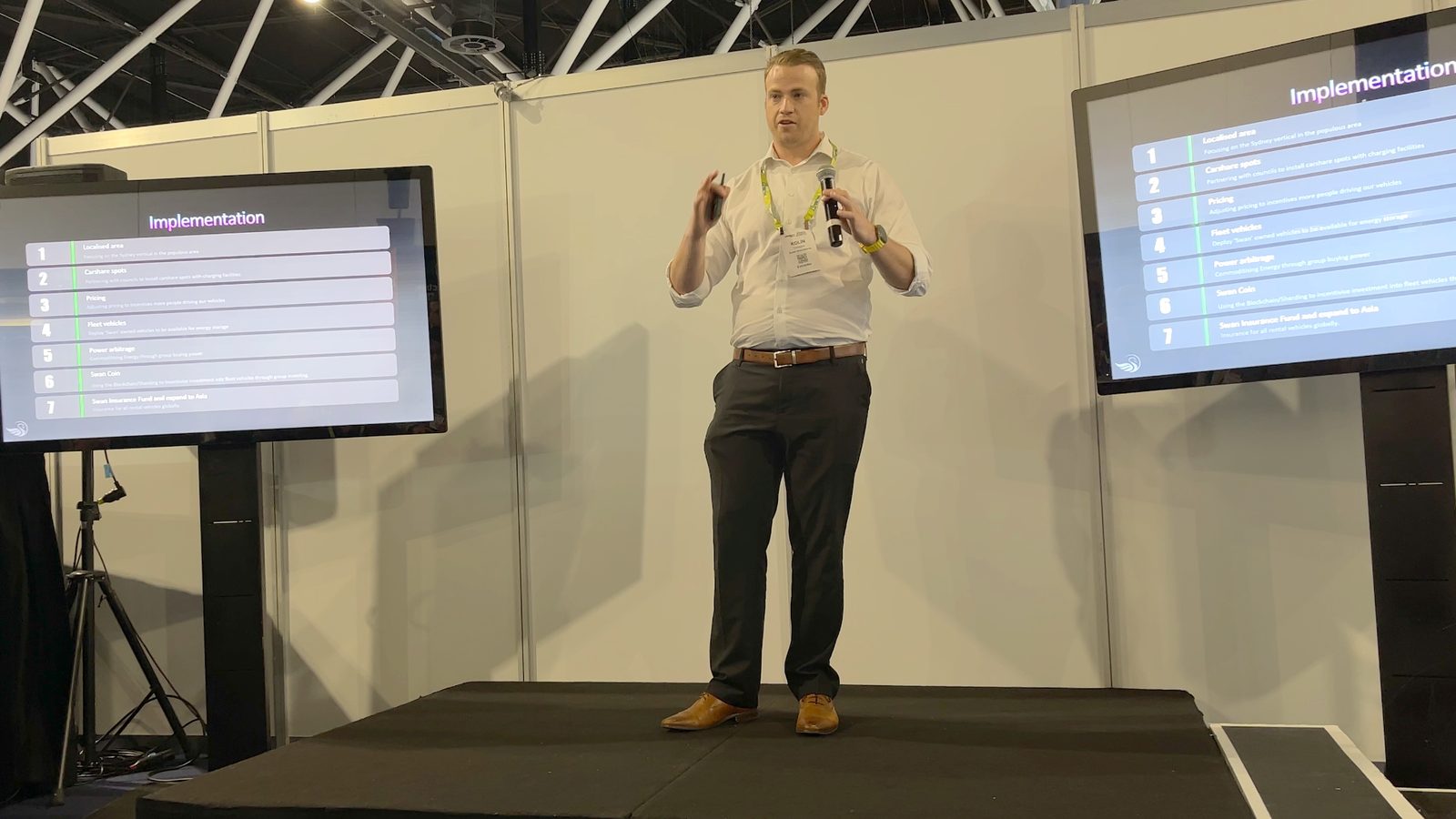
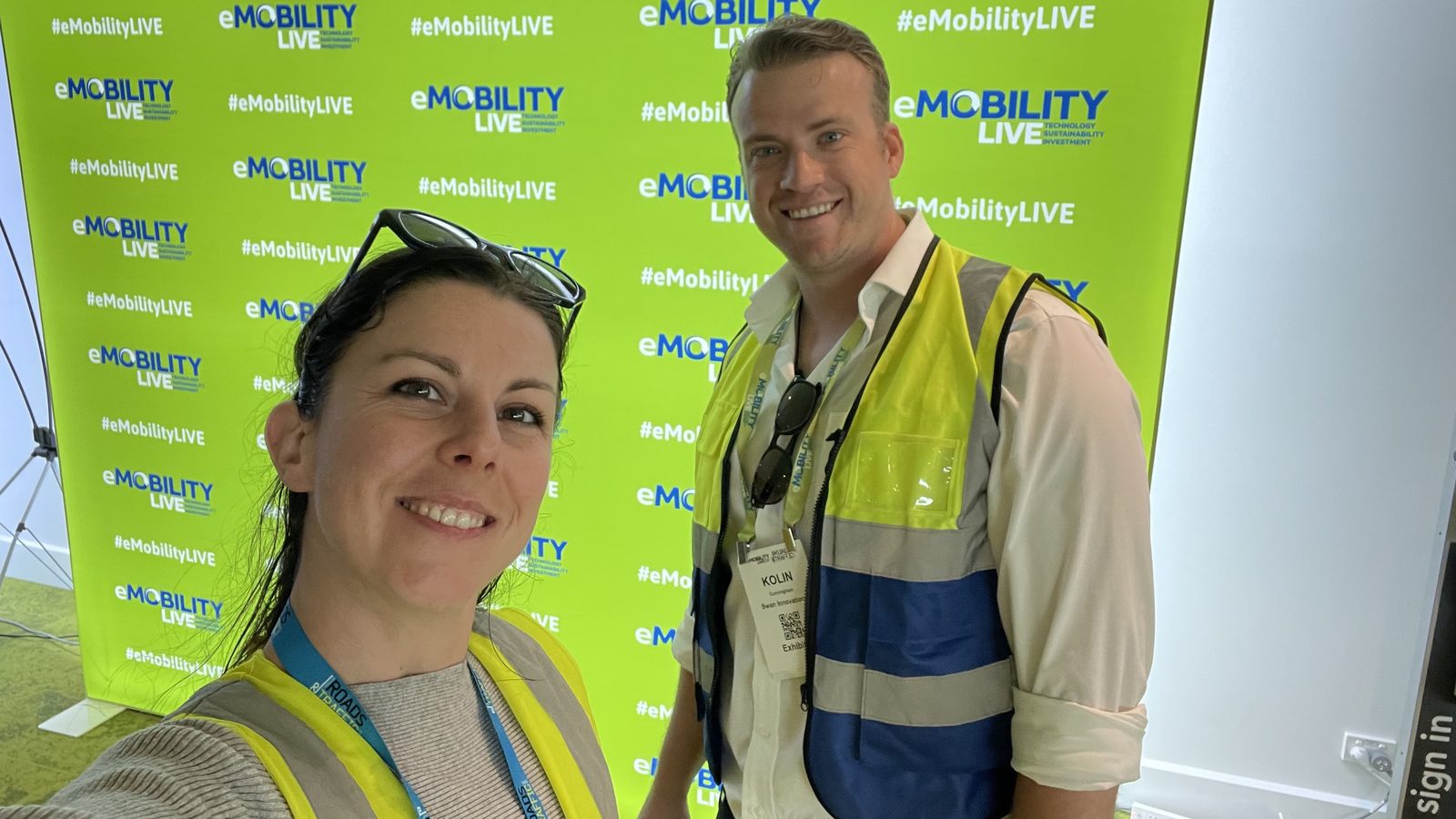
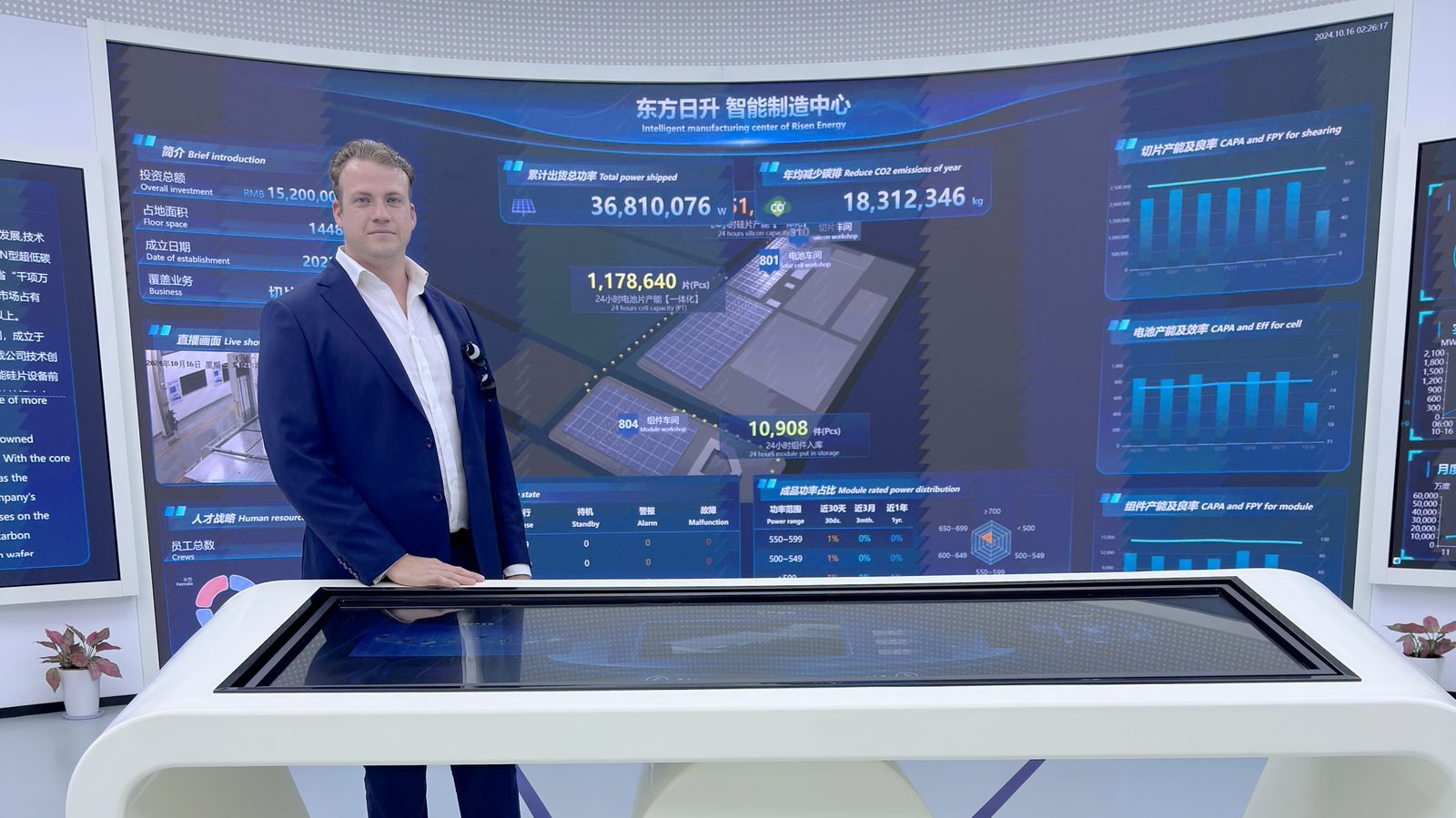
Two years as Principal Engineer at Swan Innovations building the system that lets electric cars sell power back into the national grid, through Endeavour Energy, AEMO and ARENA. Before that, Visa and Breville. He's good at finding a way to make something work inside constraints other people treat as fixed.
Full background →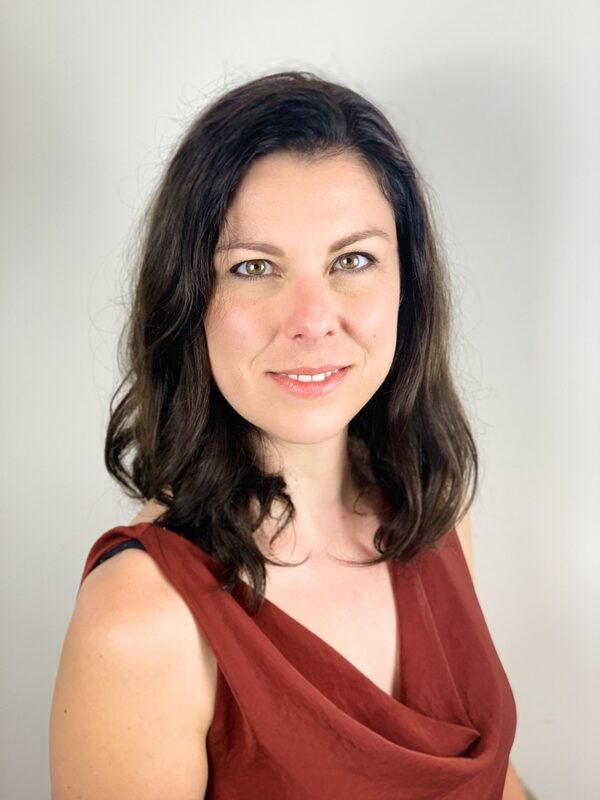
Charlotte Cordier
Operations Partner
Nineteen years improving real operations, where performance, cost and delivery get measured daily. She simplifies how the work gets done and solves problems at the source before any automation goes near them. Do not automate a broken process. Fix it first.
Full background →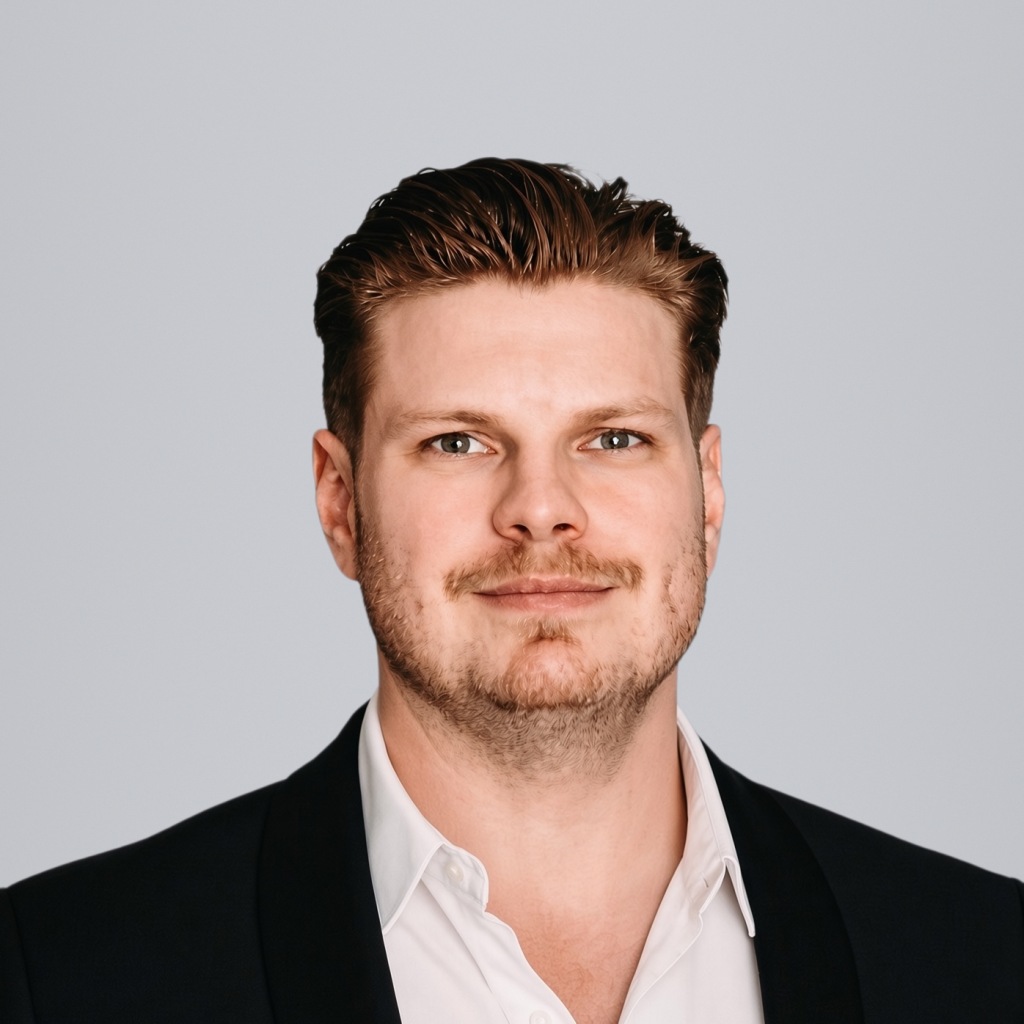
Aron Turner
Co-Founder · CTO
Built AI-assisted audit tooling and live monitoring as CTO of a Web3 security firm, where a missed vulnerability costs real money. Five years teaching engineering at UTS. He owns the infrastructure, the pipelines and the security, which is why we can build inside your systems.
Full background →What's a Bokka?
In Japanese, a bokka is a mountain porter, someone who carries heavy loads so others can move faster. That's the job. We take on the heavy lift so your business can get on with its own work.
Where we've worked
Operations-heavy businesses, where the work is the product.
- Manufacturing
- Mining
- Energy & Utilities
- Finance
- Retail & E-commerce
- Professional Services
Tell us what you're trying to fix
A bottleneck, a process nobody trusts, a system that won't talk to another one, or just a suspicion that this should be easier. Tell us and we'll come back within one business day. If you'd rather not talk to anyone yet, take the Scorecard instead.
Frequently asked
How is this different from AI strategy consulting?
Most firms produce a roadmap and a vendor shortlist, then implementation is your problem or a second procurement with someone who wasn't there for the diagnosis. We do both halves, and the same people do them.
Do you actually build it, or just advise?
We build. Fifteen years of software, infrastructure and security engineering in the company. Custom AI tools, assistants, data pipelines, workflow automation, and the integrations into what you already run.
Is my data safe?
Cybersecurity is one of our own disciplines rather than something we buy in. If you'd rather nothing left your building, we can build and run the whole thing inside your own systems.
Do you outsource any of it?
No. We work locally in Sydney with our own team. There's no offshore developer you never meet and no handover to a third party.
What if my process is a mess?
That's normal, and it's the reason to start with the diagnosis rather than the tool. We don't automate broken processes, because automating a bad one just makes it fail faster and cost more.
How do I start?
Take the Scorecard. Six minutes, no call required, and you get the written result whether or not you ever speak to us.